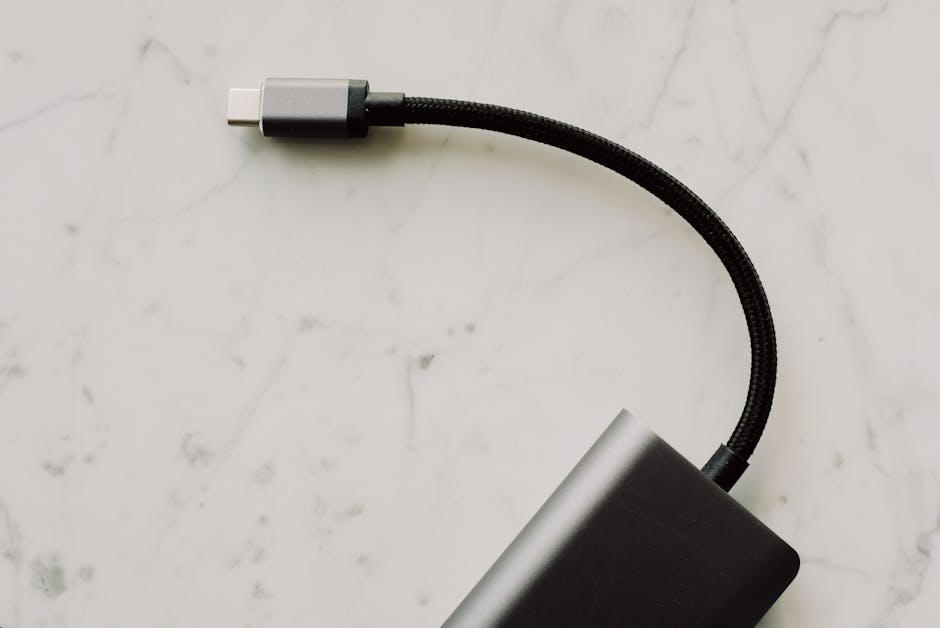
Industrial environments demand robust connectivity solutions that can withstand harsh conditions and ensure data integrity. USB Type-C locking cables have emerged as a critical component in achieving secure and reliable connections for industrial automation, medical devices, and other mission-critical applications. For instance, in factory settings, machine vibration and movement can cause accidental disconnections, leading to costly downtime. USB Type-C locking cables mitigate this risk by providing a secure and stable connection.
Core Technology: Locking Mechanisms and High-Speed Data Transfer
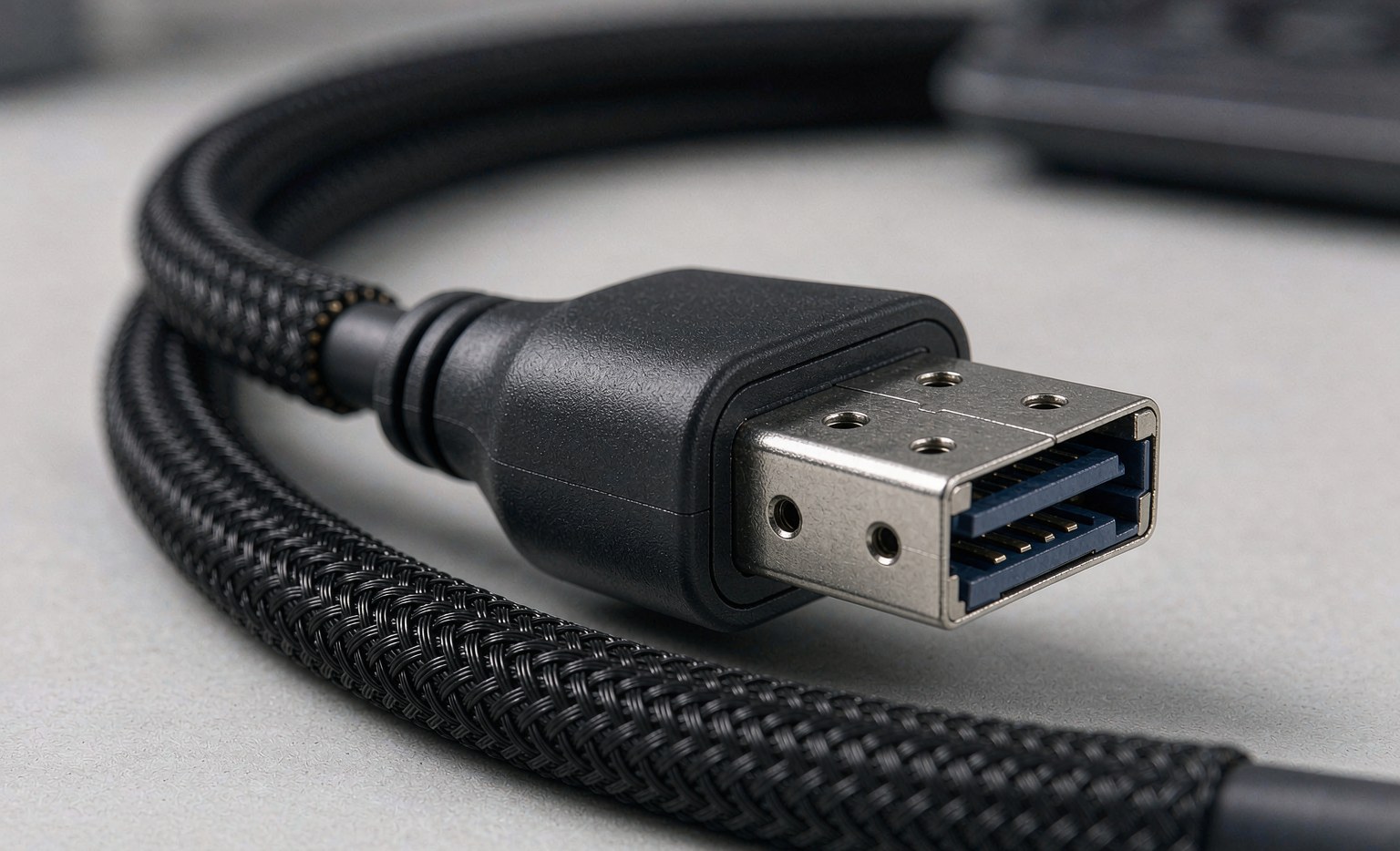
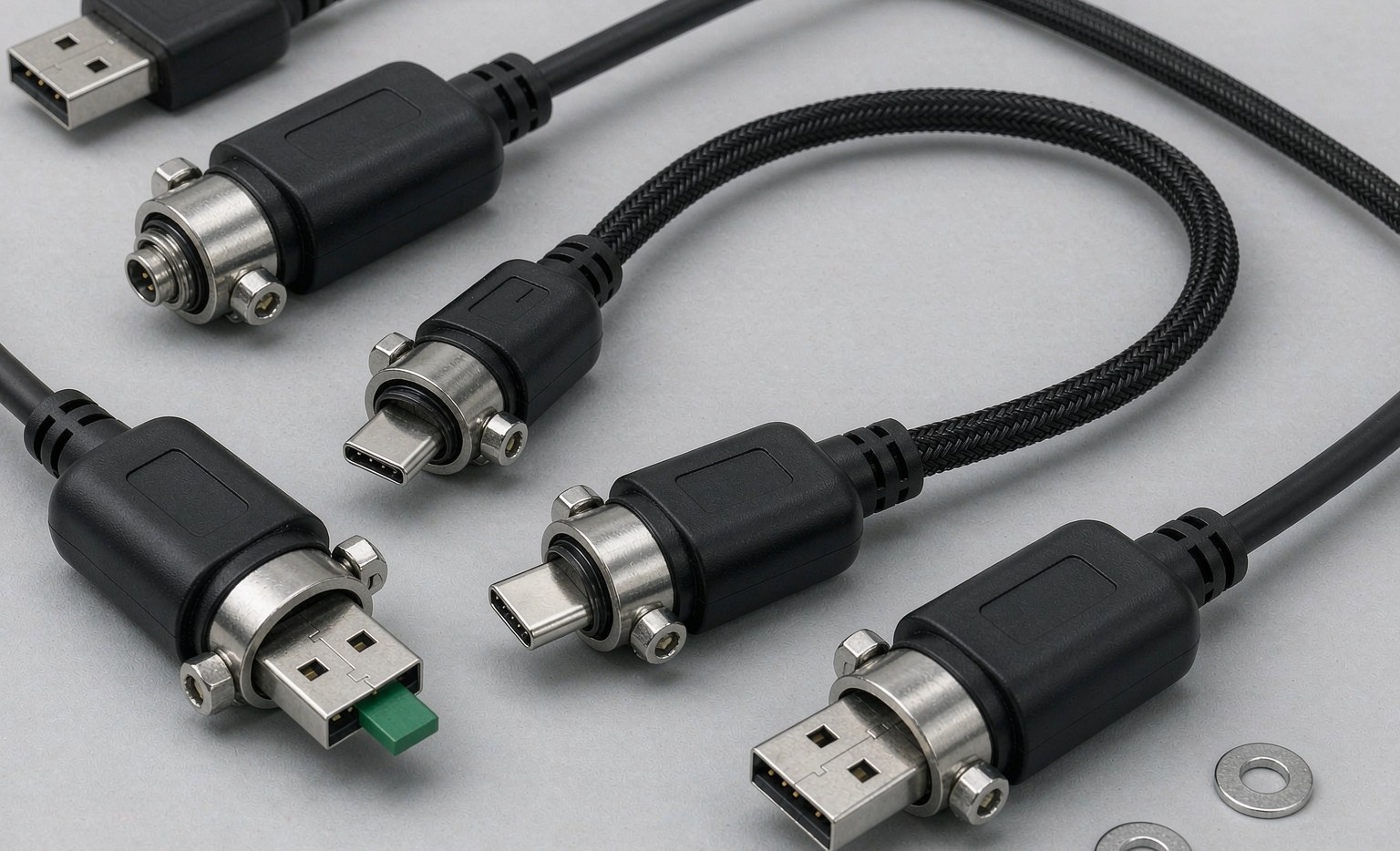
USB Type-C locking cables feature advanced locking mechanisms, such as screw-lock and latch-lock designs, to prevent accidental disconnections caused by vibration or movement. These cables support high-speed data transfer rates of up to 40 Gbps, making them ideal for applications requiring fast and reliable data exchange. The locking mechanisms ensure that the connection remains secure even in harsh environments, while the high-speed data transfer enables efficient data exchange between devices.
- Locking mechanisms: screw-lock, latch-lock, and panel-mount variants
- Data transfer rates: up to 40 Gbps (USB4/Type-C)
- AWG: 24-32 AWG typical
- Shielding: EMI/RFI multilayer shielding options
- Environmental ratings: IP67 and higher for harsh environments
| Cable Type | Data Rate | Locking Mechanism | Typical Application |
|---|---|---|---|
| USB Type-C | Up to 40 Gbps | Screw-lock, Latch-lock | Industrial automation, medical devices |
| USB 3.2 | Up to 20 Gbps | Screw-lock | Data centers, consumer electronics |
When selecting a USB Type-C locking cable, it is essential to consider the specific requirements of your application. For example, if your application requires high-speed data transfer, you may need a cable that supports USB4/Type-C with data rates of up to 40 Gbps.
Key Industry Applications: Industrial Automation and Medical Devices
USB Type-C locking cables are used in various industrial applications, including:
- Industrial automation equipment
- Medical electronic devices
- Data centers
- Consumer electronics
- Automotive electronics
For example, in industrial automation, these cables ensure secure connections between machines and control systems, minimizing downtime and optimizing production. In medical devices, they provide reliable data transfer and power delivery, ensuring patient safety and device functionality. In data centers, they enable high-speed data transfer between servers and storage devices.
A case study on the use of USB Type-C locking cables in industrial automation equipment revealed a significant reduction in downtime due to accidental disconnections. The cables provided a secure and reliable connection between the machines and control systems, resulting in increased productivity and efficiency.
Technical Standards & Certifications
Longkai Electronics’ USB Type-C locking cables comply with international standards and certifications, including:
- ISO 9001, ISO 14001
- CE and FCC compliant production
- In-house testing for impedance and signal integrity
- UL and ETL certifications for safety and performance
Our cables undergo rigorous testing to ensure compliance with these standards, including environmental testing, electrical testing, and mechanical testing.
B2B Procurement Guide: Choosing the Right USB Type-C Locking Cable
When selecting a USB Type-C locking cable, consider the following factors:
- Data transfer rate requirements
- Locking mechanism type
- Cable length and connector type
- Environmental conditions (e.g., temperature, humidity)
- Certifications and compliance requirements
To ensure the correct cable is selected, follow these steps:
- Determine the required data transfer rate and choose a cable that meets or exceeds this rate.
- Select a locking mechanism that is suitable for your application, such as screw-lock or latch-lock.
- Choose a cable length and connector type that meets your specific requirements.
- Verify that the cable is certified to the required standards, such as ISO 9001 and CE.
For more information on our USB Type-C locking cables, visit our product page: LUNGKAY USB 3.1 Type C with Screws Cable. You can also explore our other related products, such as Industrial Camera Cables and Servo Motor Wiring Harnesses.
Why Partner with Longkai Electronics?
Longkai Electronics is a trusted supplier of high-quality USB Type-C locking cables, with:
- Over 10 years of experience in cable and connector manufacturing
- ISO 9001 and ISO 14001 certifications
- Partnerships with over 100 well-known brands
- In-house testing and inspection capabilities
Our commitment to quality, innovation, and customer satisfaction makes us the ideal partner for your industrial connectivity needs. Learn more about our USB Type-C locking cables and how they can benefit your business by visiting The Advent of Locking USB-C: Securing the Future of Industrial Connectivity. You can also contact us directly to discuss your specific requirements and how we can support your business.
FAQ
What are the benefits of using USB Type-C locking cables in industrial applications?
USB Type-C locking cables provide secure connections, high-speed data transfer, and reliable power delivery, minimizing downtime and optimizing production in industrial environments. They also reduce the risk of data loss and corruption due to accidental disconnections.
What data transfer rates do USB Type-C locking cables support?
USB Type-C locking cables support data transfer rates of up to 40 Gbps, making them ideal for applications requiring fast and reliable data exchange. The actual data transfer rate will depend on the specific cable and device being used.
Are Longkai Electronics’ USB Type-C locking cables compliant with international standards?
Yes, our USB Type-C locking cables comply with international standards and certifications, including ISO 9001, ISO 14001, CE, and FCC. We also comply with other relevant standards, such as UL and ETL, to ensure the safety and performance of our cables.
How do I choose the right USB Type-C locking cable for my application?
To choose the right USB Type-C locking cable, consider factors such as data transfer rate requirements, locking mechanism type, cable length and connector type, and environmental conditions. You should also verify that the cable is certified to the required standards and meets your specific application requirements.