
Quick answer: A SAS cable request should identify the system interface, connector family at each end, orientation, usable length, routing path, environmental conditions and test evidence required by the buyer. Do not treat a short product name as a complete specification. Confirm the intended host and device connection from the project documents, then approve a representative sample and preserve the exact revision for production.
1. Identify the application and interface
Begin with the equipment and connection path, not a generic cable label. State the host and device or enclosure connection, the role of each end and the physical path the cable follows. Use the system drawing, equipment documentation and customer-approved interface information to identify the required family and generation. If the project name uses an internal abbreviation, define it in the purchasing brief. Ask engineering to confirm the intended combination before quotation so the supplier does not infer compatibility from a similar-looking connector. A clear application description helps the cable team review electrical, mechanical and routing needs together.
2. Specify connector family, keying and orientation
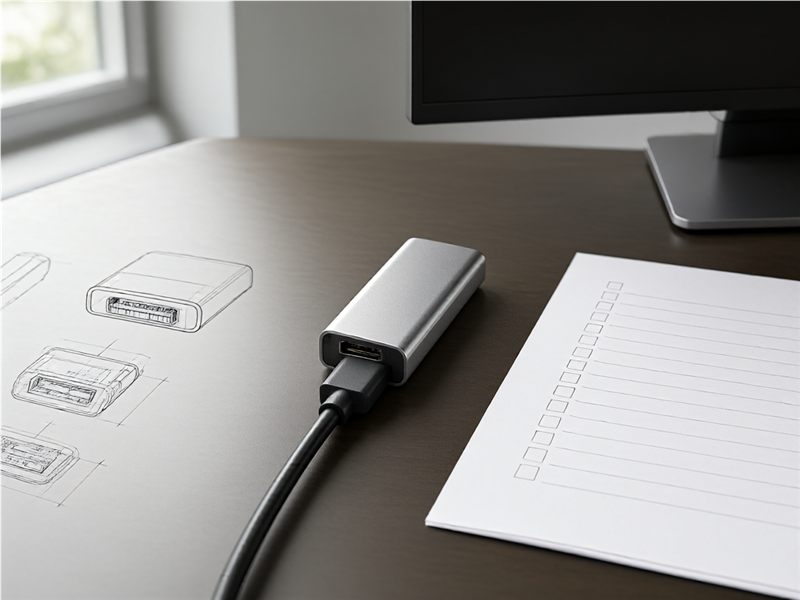
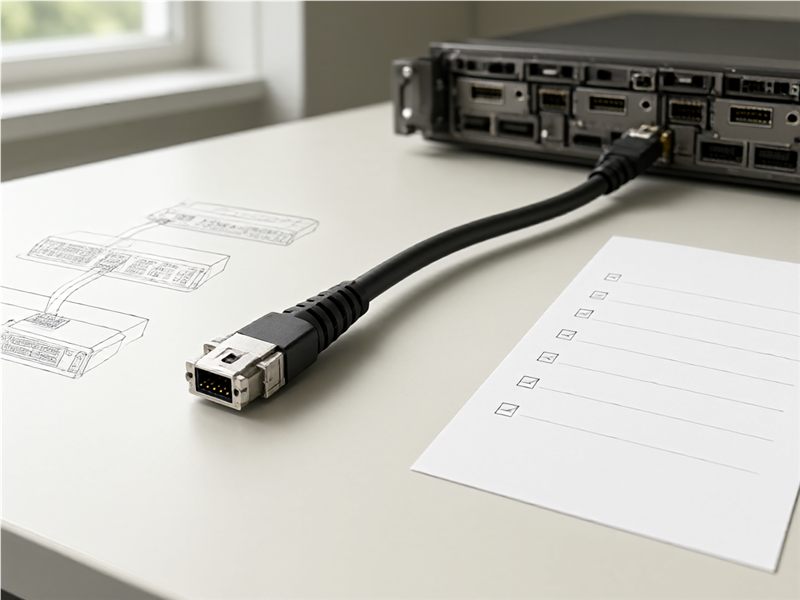
List the connector at each end separately, including any required keying, latch, shell, gender or exit direction stated in the system design. Add a drawing or photograph that shows the viewing orientation and pin or key reference used by the project. State whether the ends are straight, angled or otherwise constrained by the equipment. Confirm that connector clearance is available after the cable is installed. Similar names can refer to different mechanical interfaces, so request an explicit confirmation against the customer’s interface record. Keep all connector changes under revision control because a visually small difference can affect installation or fit.
3. Define length and routing conditions
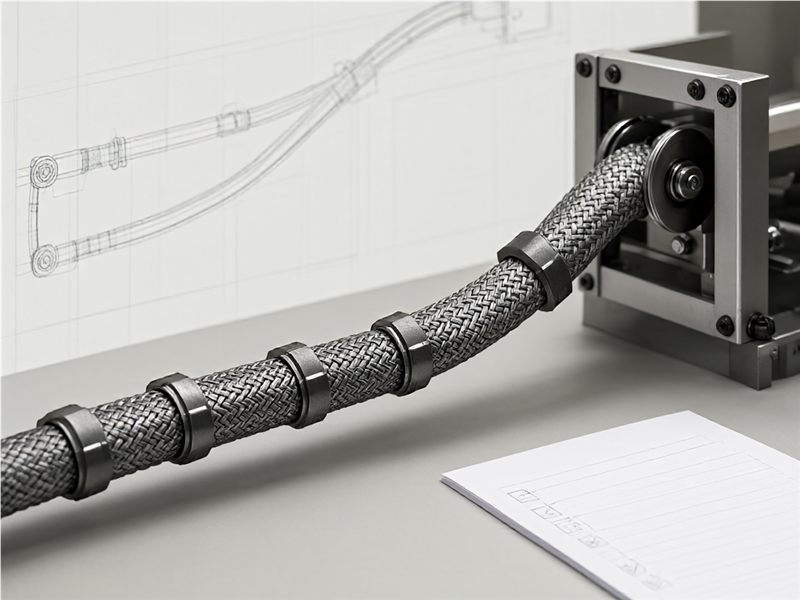
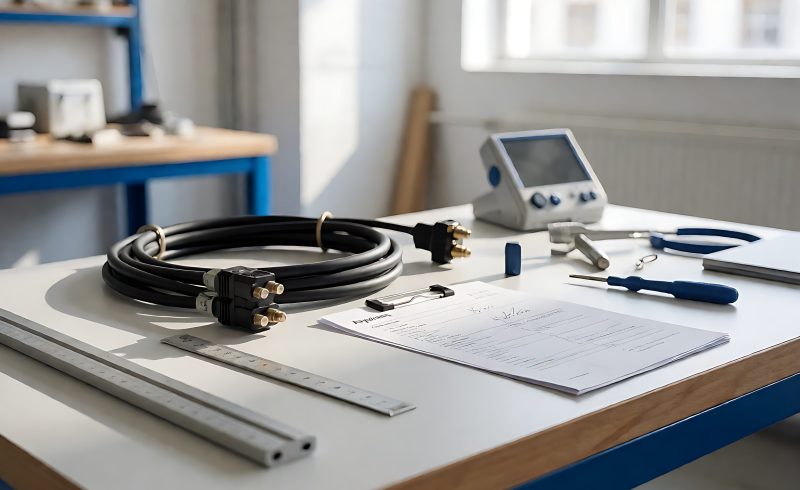
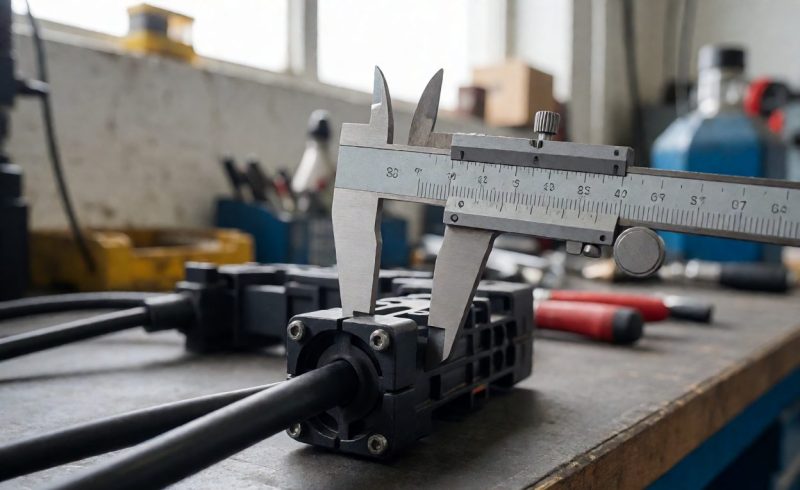
Measure the route the cable will take inside the actual system, including entry points, service loops, bends, clamps and the path around other components. Distinguish the requested finished length from the drawing dimension and define the measurement reference at both ends. Note whether the cable is static or moves during service. Identify the location of strain relief and any nearby heat, vibration, abrasion or liquid exposure that the supplier must review. A length that works on a bench may be too tight after rack installation or too long for a constrained enclosure. Use a representative layout or sample mockup to confirm both reach and service access.
4. Align performance requirements with the system owner
Record the system-level performance expectation and the approved interface specification. Confirm any required generation, data rate, impedance or signal integrity requirements with the responsible design engineer rather than deriving them from a connector name. Ask the supplier to state which construction and test method supports the requested use. Where the cable is used in a high-density or noise-sensitive environment, include the documented routing and shielding requirements from the system design. Do not ask procurement to resolve an ambiguous electrical requirement. The right owner should approve it before supplier tooling or production validation begins.
5. Review construction, shielding and environment
Request a construction description that covers conductors, insulation, shielding, jacket, drain or ground approach and the termination arrangement where applicable. Match the material and mechanical choices to the documented environment. Ask how the cable will be protected at entry and how strain is transferred to the connector. If a bend radius or temperature range is required, cite the system owner’s requirement and ask the supplier to confirm the design against it. Avoid inventing a specification from a generic market listing. The review should result in a drawing or approved construction record that the buyer can compare with a production sample.
6. Define electrical and mechanical verification
List the tests required by the system specification and agree the evidence format before sample approval. Depending on the design, the plan may include continuity, pin mapping, short or open checks, mechanical fit and performance testing by an agreed method. Confirm which results are supplied per sample, per lot or by qualification report. State the test fixture or reference standard if the customer specifies one. Record the cable revision, sample identifier and test date so results can be traced. Do not claim that a basic continuity check proves a high-speed assembly meets the complete application requirement. Separate routine production checks from any design qualification evidence.
7. Approve a representative sample and change path
Review a sample in the target equipment or a fixture that reproduces the connector orientation, route and service access. Check latch engagement, clearance, bend path, strain relief and labeling. Save photographs from consistent angles with the sample revision. If the sample needs a change, list the exact drawing or construction fields to update and request a new revision for approval. Agree whether a change in supplier, material, connector source or test method requires notice and requalification. This avoids an informal substitution entering production after the buyer has approved a different build.
8. Prepare a production-ready purchasing brief
The purchase package should include the interface record, end-to-end connector definition, drawing, length reference, routing conditions, approved sample, verification plan, label and packing requirements, revision and change-notice owner. Ask the supplier to identify any open assumptions in the quotation. Define how lot identification, test records and nonconformance handling work. Keep the approved data with the item number used for replenishment. A stable brief lets procurement compare quotes on the same scope and lets receiving inspect the right attributes. It also gives engineering a reliable starting point when a system revision changes.
For buyers comparing available product and supplier options, see SAS cable information.
Questions buyers often ask
Is “SAS cable” enough for a purchase order?
Usually not. Add the interface, connector at each end, orientation, length, routing, environment, revision and evidence requirements.
Who should approve the performance requirement?
The system or electrical design owner should approve the required interface and performance data before the supplier builds a sample.
Does a continuity report prove the whole assembly is suitable?
No. It verifies only the checks listed in that report. Match each required test to the application specification and qualification plan.
What should be retained after sample approval?
Keep the approved sample identifier, drawing, construction record, test evidence, revision and change-notice agreement together.