Quick answer: An industrial Ethernet cable request should identify the connected equipment, route, environment, connector interface, length, movement and required verification record. Buyers should tie those details to a controlled drawing and sample, confirm any system-specific requirements with the responsible engineer, and record what the supplier tested. A cable described only by category name may not fit the installed route or mate correctly with the equipment.
1. Map the connection and actual route
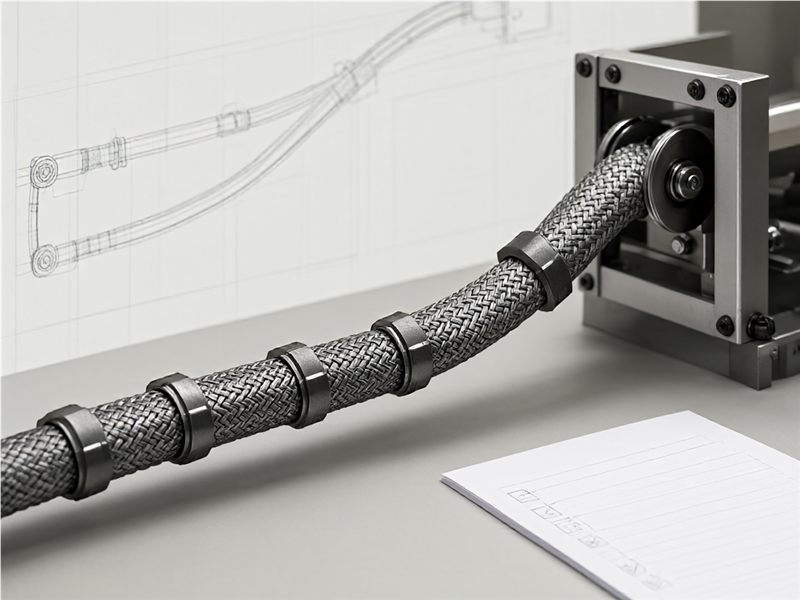
List the equipment at both ends, interface names and the path the cable must follow. Include the cable entry direction, bend space, nearby moving parts and installation access. A route photograph or simple sketch can show obstacles that are absent from a product catalog. Identify whether the run is inside a cabinet, on a machine or between equipment areas. Connect the route to the drawing revision so a later layout change triggers a review. This gives the supplier context for connector orientation and length instead of asking for an estimate from distance alone.
2. Define connector and mating requirements
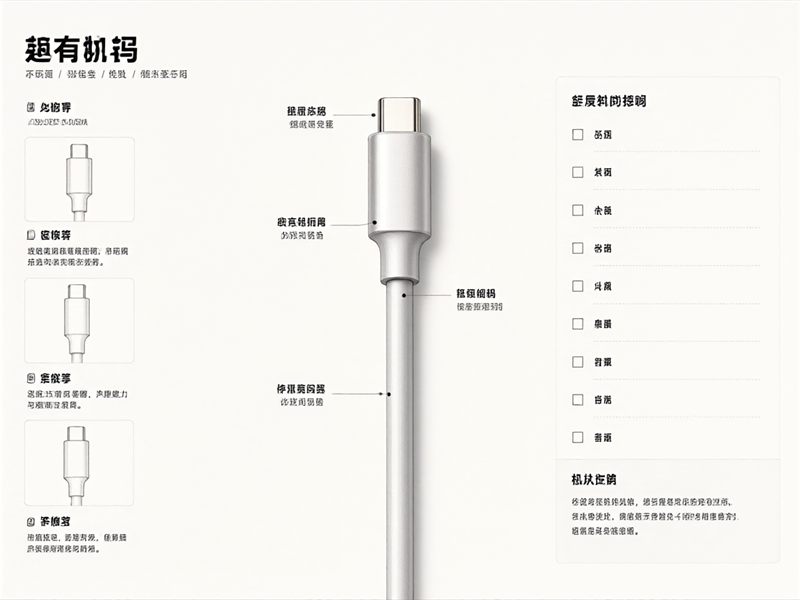
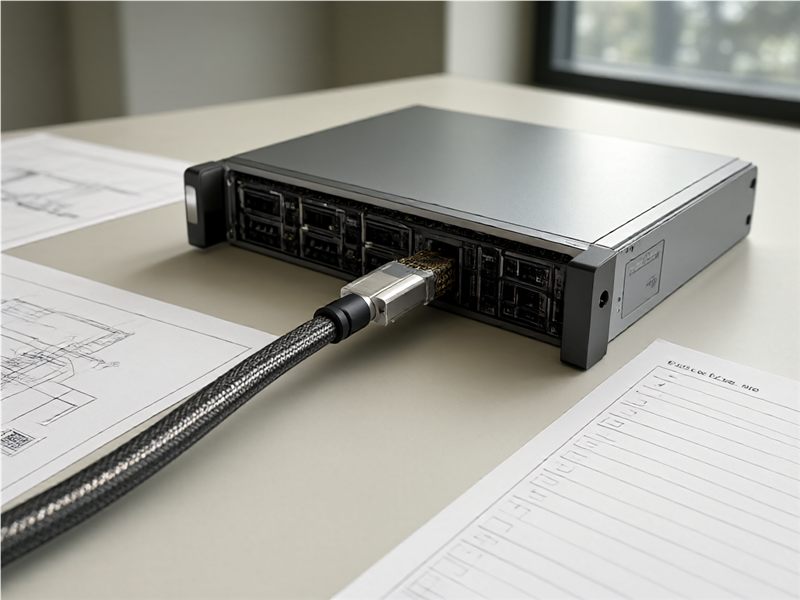
Name the connector family and exact end configuration at each side. Provide the equipment interface reference, keying or latch expectations and any space limit near the port. Show the view direction used to describe the connector orientation so both teams interpret it consistently. If one end uses a field-attachable or angled connector, identify how it must face after installation. Ask the equipment owner to confirm compatibility when the interface is not fully documented. A clear mating definition reduces the chance of receiving a cable that is electrically similar but physically unsuitable.

3. Describe the environment and motion
State the expected temperature range, exposure, cleaning conditions, abrasion, vibration or repeated movement that the application owner has identified. Explain whether the cable is static or flexes during normal machine operation, and provide the movement path and approximate duty where available. Do not assume a generic industrial label proves suitability for every site. The engineering owner should approve material and performance requirements against the actual application. These details let the supplier respond to defined conditions and make assumptions visible before quotation or sample build.
4. Set length, slack and installation access
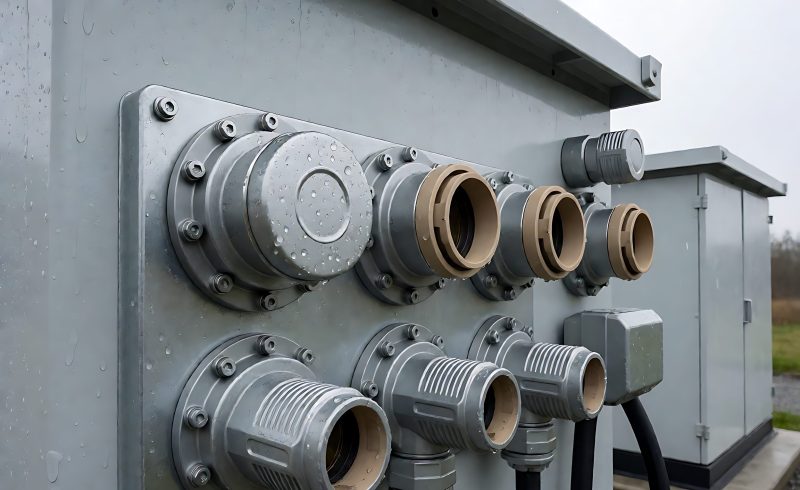
Measure the proposed path using the intended routing points rather than a straight-line distance. Include service loops, cabinet entry, strain relief, connector clearance and room for installation. State the measurement endpoints and whether length tolerance is acceptable. If the route can change during machine assembly, identify the controlled drawing or reference fixture that governs final length. A prototype cable that reaches on a bench may be too short once it passes through a gland or follows a guarded route. Record how the sample will be trial-fitted.
5. Review electrical and system-level requirements
Share the equipment specification and system owner’s requirements for conductor configuration, shielding, signal use and any applicable interface constraints. Keep the supplier’s response tied to a drawing or bill of materials. Do not assume every cable sold as Ethernet has the same shielding, connector or installation characteristics. When performance matters, agree which test evidence demonstrates the requirement and who interprets the result. This review should involve the engineer responsible for the connected equipment, particularly when a substitution or nonstandard length is proposed.
6. Define the sample and test evidence
Ask for a sample made to the same connector orientation, length, labeling and build revision expected for production. Trial-fit it on the actual or equivalent equipment and check mating, latch access, routing, clearance and strain relief. Record the test equipment or method supplied by the engineering owner, the cable identifier and the result. Separate a visual fit check from electrical verification. A concise sample report shows what was tested and avoids treating an undocumented demonstration as acceptance of every requirement.
7. Label the cable for assembly and service
Agree what information appears on the cable or its packaging, such as assembly code, end identification, revision or lot reference, when the application requires it. Check that labels remain readable after installation and do not obscure a connector or interfere with a moving route. Use the same identifiers in the drawing, order, inspection record and service list. If the equipment has multiple similar connections, define a naming scheme that the installation team can apply consistently. Clear identification helps maintenance replace the correct assembly later.
8. Release changes with traceable records
Keep the approved drawing, connector details, route, sample photos, test evidence and labeling specification together. Identify which changes require approval, including connector source, cable construction, jacket, length, pin assignment or manufacturing location. Require notice before a substitute is built into an order. During replenishment, compare the current configuration with the accepted sample and call out any differences. A simple change record gives procurement and engineering a shared way to decide whether a revised sample or additional test is needed.
For buyers comparing available product and supplier options, see Longkai industrial network cable assemblies.
Questions buyers often ask
What information should accompany an industrial Ethernet cable inquiry?
Provide both connected interfaces, route, environment, movement, length endpoints, connector orientation and required test evidence.
Can a catalog cable be used as a drop-in substitute?
Confirm connector fit, electrical requirements, route and environmental suitability with the responsible system owner before approval.
What should a cable sample trial include?
Trial-fit the defined build, record mating and routing observations, and document the agreed electrical verification separately.
Which cable changes need review?
Review changes to connector, pin assignment, construction, jacket, length, source or any requirement that affects the approved application.