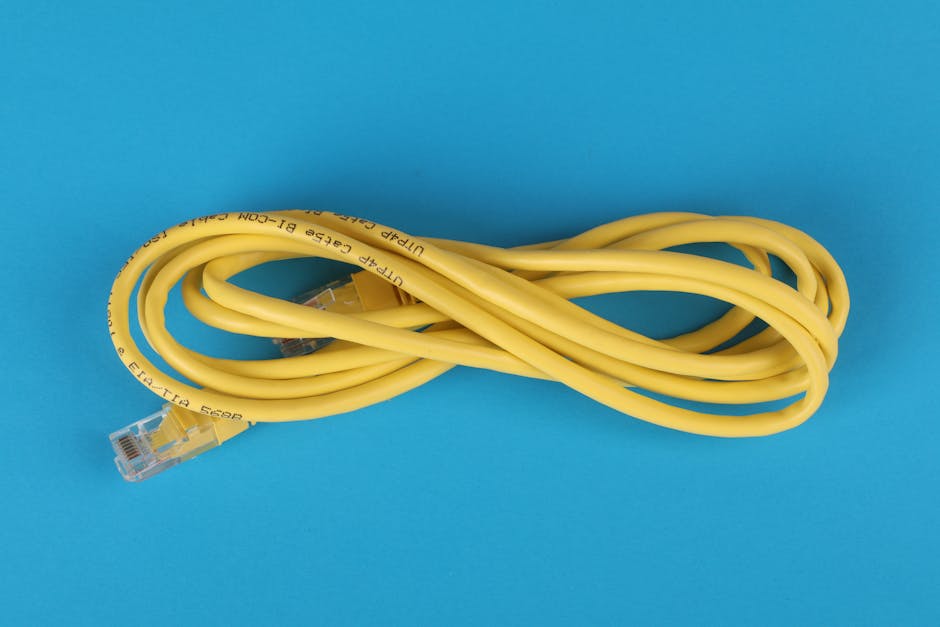
Understanding High-Speed Cable Assembly Services
High-speed cable assembly services are crucial for industries requiring fast and reliable data transfer. These services involve the design, manufacture, and testing of cable assemblies that meet specific high-speed data transmission standards. With the increasing demand for high-speed data transfer, industries such as data centers, industrial automation, and telecommunications rely heavily on high-speed cable assemblies to ensure efficient data transmission. For more information on high-speed cable solutions, see High-Speed OCuLink Cable Solutions: Why Longkai is the Trusted Supplier for PCIe-Based Connectivity.
For applications such as data centers, industrial automation, and telecommunications, high-speed cable assemblies are essential. They ensure that data is transmitted efficiently and with minimal signal degradation. For instance, in data centers, high-speed cable assemblies are used for server storage and connectivity, while in industrial automation, they are used for machine vision and control systems.
| Industry | Application |
|---|---|
| Data Centers | Server storage and connectivity |
| Industrial Automation | Machine vision and control systems |
| Telecommunications | High-speed data transmission |
| Aerospace and Defense | Mission-critical applications |
| Medical Devices | MRI and CT scanners |
| High-Performance Computing | Supercomputers and data analytics |
| Automotive | Advanced driver-assistance systems (ADAS) and autonomous vehicles |
| Consumer Electronics | High-speed data transfer between devices |
To design and manufacture high-speed cable assemblies, several steps are involved. Firstly, the cable assembly is designed to meet the specific requirements of the application. This includes selecting the appropriate materials and designing the cable assembly to minimize signal degradation. The design process involves several key considerations, including signal integrity, data transfer rate, and material quality. For guidance on high-speed cable selection, refer to A Strategist’s Guide to High-Speed Cable Selection: From Specification to Application.
The manufacturing process involves the use of high-quality materials and precise manufacturing techniques, such as automated crimping and soldering. The testing and certification process involves a range of tests, including signal integrity testing, data transfer rate testing, and environmental testing. For example, signal integrity testing involves measuring the signal-to-noise ratio (SNR) and ensuring that it meets the required standards.
Some of the key steps involved in the design and manufacturing process include:
- Designing the cable assembly to meet the specific requirements of the application
- Selecting high-quality materials that meet the required standards
- Using precise manufacturing techniques, such as automated crimping and soldering
- Testing and certifying the cable assembly to ensure compliance with industry standards
Benefits of High-Speed Cable Assembly Services
- Enhanced data transfer rates: High-speed cable assemblies can support data transfer rates of up to 112Gbps, making them ideal for applications that require fast data transfer.
- Improved signal integrity: High-speed cable assemblies are designed to minimize signal degradation, ensuring that data is transmitted efficiently and reliably.
- Customization to meet specific application needs: High-speed cable assemblies can be customized to meet the specific requirements of the application, including the type of connectors, cable length, and material quality.
- Reliability and durability in harsh environments: High-speed cable assemblies are designed to be reliable and durable, even in harsh environments. They are built to withstand extreme temperatures, vibrations, and other environmental factors.
- Compliance with industry standards: High-speed cable assemblies are designed and manufactured to comply with industry standards, ensuring that they meet the required specifications and regulations.
- Reduced latency: High-speed cable assemblies can help reduce latency, which is critical in applications such as high-performance computing and financial trading.
- Increased flexibility: High-speed cable assemblies can be designed to be flexible, making them ideal for applications where space is limited.
To achieve reliable data transfer, high-speed cable assemblies must be designed and manufactured with precision. This includes selecting high-quality materials, designing the cable assembly to minimize signal degradation, and testing the cable assembly to ensure compliance with industry standards.
Key Considerations for High-Speed Cable Assembly
- Signal integrity and data transfer rate: High-speed cable assemblies must be designed to minimize signal degradation and support high data transfer rates.
- Material quality and durability: High-speed cable assemblies must be built with high-quality materials that can withstand harsh environments.
- Compliance with industry standards: High-speed cable assemblies must comply with industry standards, including those related to safety, performance, and environmental sustainability.
- Customization options: High-speed cable assemblies can be customized to meet the specific requirements of the application.
- Testing and certification processes: High-speed cable assemblies must be tested and certified to ensure compliance with industry standards.
- Connector types and compatibility: High-speed cable assemblies must be designed with compatible connectors to ensure seamless connectivity.
- Cable length and flexibility: High-speed cable assemblies must be designed to meet the required cable length and flexibility requirements.
| Specification | Description |
|---|---|
| Data Transfer Rate | Up to 112Gbps |
| Signal Integrity | Minimized signal degradation |
| Material Quality | High-quality materials |
| Connector Types | Various connector types available, including SFF 8644 to 8644 internal high-speed cable and Mini SAS SFF-8643 to 4-port SATA High-Speed Data Cable |
| Cable Length | Customizable cable length |
| Operating Temperature | -20°C to 80°C |
| Environmental Testing | Testing for environmental factors such as vibration, humidity, and temperature |
Applications of High-Speed Cable Assemblies
- Data centers for server storage and connectivity
- Industrial automation for machine vision and control systems
- Telecommunications for high-speed data transmission
- Aerospace and defense for mission-critical applications
- Medical devices, such as MRI and CT scanners
- High-performance computing applications, such as supercomputers and data analytics
- Automotive applications, such as advanced driver-assistance systems (ADAS) and autonomous vehicles
- Consumer electronics, such as high-speed data transfer between devices
For example, in the automotive industry, high-speed cable assemblies are used in advanced driver-assistance systems (ADAS) and autonomous vehicles to enable fast and reliable data transfer between sensors and control systems.
Frequently Asked Questions (FAQs)
Q: What is the maximum data transfer rate supported by high-speed cable assemblies?
A: High-speed cable assemblies can support data transfer rates of up to 112Gbps.
Q: What industries use high-speed cable assemblies?
A: High-speed cable assemblies are used in various industries, including data centers, industrial automation, telecommunications, aerospace and defense, and medical devices.
Q: Can high-speed cable assemblies be customized?
A: Yes, high-speed cable assemblies can be customized to meet the specific requirements of the application.
Q: What is the importance of signal integrity in high-speed cable assemblies?
A: Signal integrity is crucial in high-speed cable assemblies as it ensures that data is transmitted efficiently and reliably.
Q: How are high-speed cable assemblies tested and certified?
A: High-speed cable assemblies are tested and certified to ensure compliance with industry standards. This includes testing for signal integrity, data transfer rate, and environmental sustainability.
Q: What are the benefits of using high-speed cable assemblies?
A: High-speed cable assemblies offer several benefits, including enhanced data transfer rates, improved signal integrity, and reliability and durability in harsh environments.
Q: Can high-speed cable assemblies be used in harsh environments?
A: Yes, high-speed cable assemblies are designed to be reliable and durable, even in harsh environments. They are built to withstand extreme temperatures, vibrations, and other environmental factors.
Q: What is the typical operating temperature range for high-speed cable assemblies?
A: The typical operating temperature range for high-speed cable assemblies is -20°C to 80°C.
Q: Can high-speed cable assemblies be used for high-performance computing applications?
A: Yes, high-speed cable assemblies are ideal for high-performance computing applications, such as supercomputers and data analytics.
Q: What are the key considerations for designing high-speed cable assemblies?
A: The key considerations for designing high-speed cable assemblies include signal integrity, data transfer rate, material quality, and compliance with industry standards.