Introduction: Two Worlds of High-Speed Data
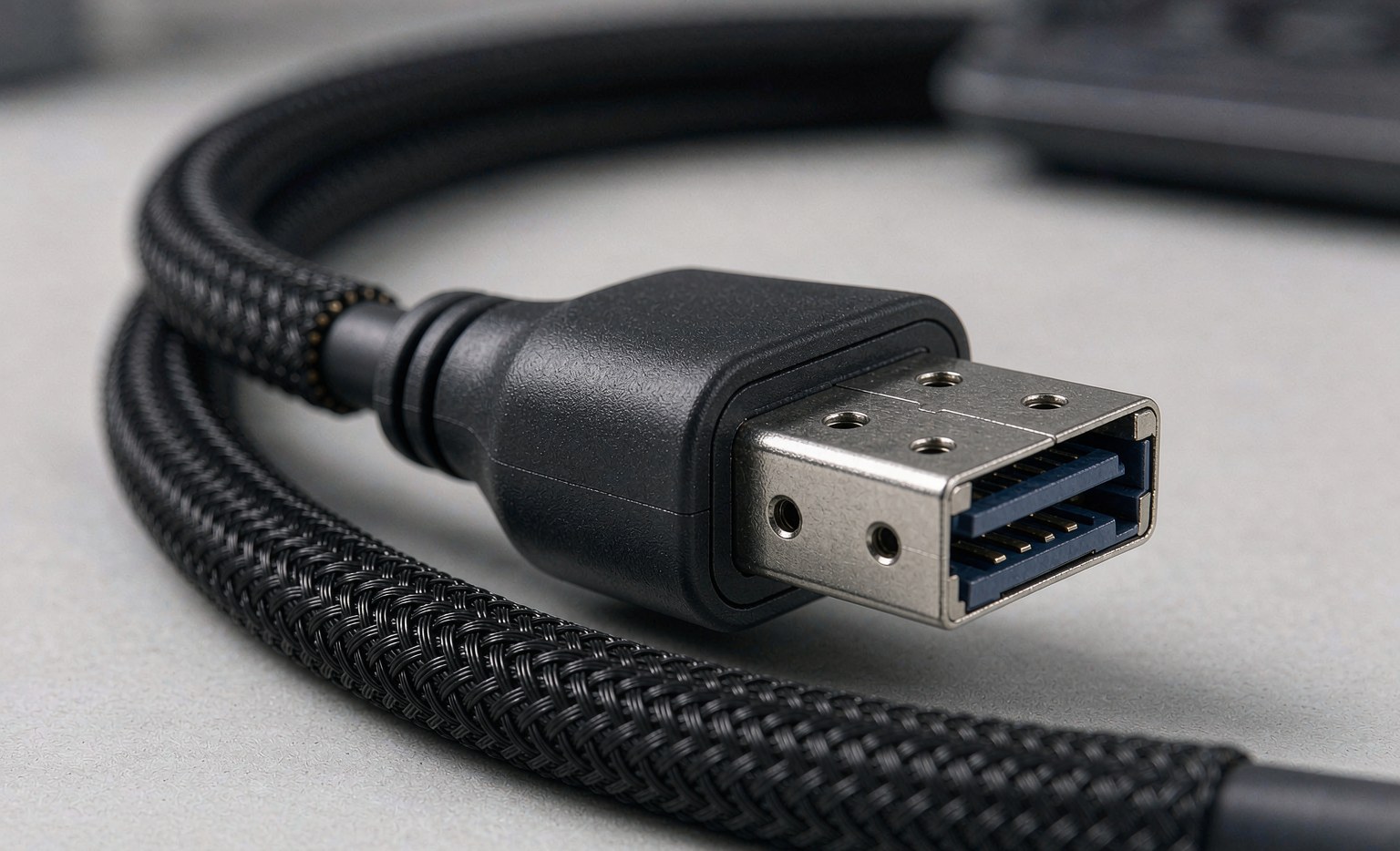
In the landscape of modern technology, the demand for high-speed data transfer is universal. However, the solutions engineered to meet this demand are highly specialized. The physical cable connecting a multi-petabyte server array in a data center is fundamentally different from the one charging a creative professional’s laptop. This distinction is perfectly encapsulated by two leading standards: MINI SAS, the established workhorse of enterprise storage, and U4 (USB4), the revolutionary powerhouse of prosumer and consumer devices. While both are designed to move vast amounts of data quickly, they are built on different philosophies and for vastly different applications.
Understanding the core differences between these two connectivity ecosystems is crucial for IT architects, system builders, and even power users. Choosing the right interconnect is a strategic decision that impacts performance, scalability, and reliability. An attempt to use one in place of the other would result in either a critical performance bottleneck or a catastrophic reliability failure. This guide will provide a clear, technical comparison between the MINI SAS family and the U4 standard, exploring their underlying technologies, ideal use cases, and the engineering principles that define them.
This exploration will also highlight the importance of manufacturing expertise. Whether it is a mission-critical Internal Cable for a server or a high-performance U4 Cable, the quality of the Cable Assembly is paramount. A manufacturer like Longkai Electronics, with deep expertise across both enterprise and consumer standards, provides the foundation of reliability that allows these technologies to perform to their full potential.
The Realm of the Data Center: Understanding MINI SAS
Serial Attached SCSI (SAS) is a protocol designed for the rigorous 24/7 demands of the enterprise data center. It prioritizes reliability, dual-path redundancy, and the ability to manage a large number of storage devices. The MINI SAS connector and its successors are the physical interfaces for this powerful protocol.
Key Characteristics:
- Focus on Storage: MINI SAS is a purpose-built storage interconnect. Its primary function is to connect a Host Bus Adapter (HBA) or RAID controller to a backplane of hard disk drives (HDDs) or solid-state drives (SSDs).
- Multi-Lane Architecture: A standard MINI SAS cable bundles four separate data lanes into a single connection. This reduces cable clutter and allows for high-density connections within a server chassis.
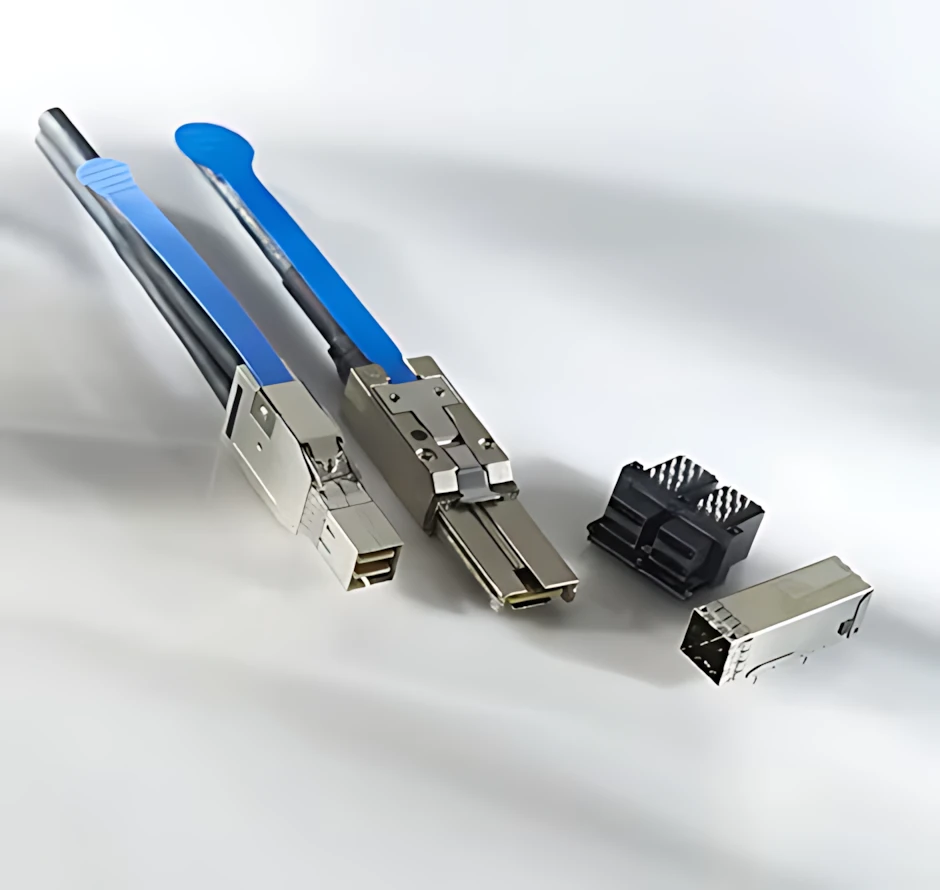
- Secure, Latching Connectors: Every MINI SAS connector features a robust mechanical latch. This is a critical feature that prevents the cable from disconnecting due to vibration—a constant factor in a server rack filled with cooling fans.
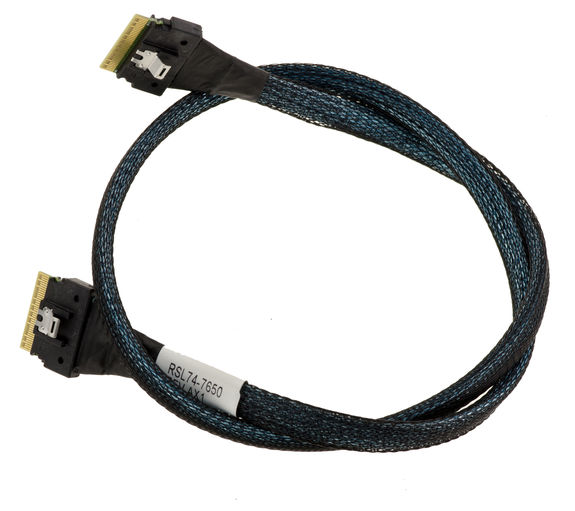
- Evolution in Density and Speed: The standard has evolved to meet growing demands. The original MINI SAS (SFF-8087) for 6 Gbps SAS was succeeded by the smaller HD Mini SAS (SFF-8643) for 12 Gbps SAS. The latest evolution, the SlimSAS Cable (SFF-8654), offers an even smaller footprint and the signal integrity needed for 24 Gbps SAS and high-speed PCIe applications.
The entire MINI SAS ecosystem, including related standards like the OCUlink Cable, is engineered for a single purpose: to provide an unerringly stable and high-throughput connection for mission-critical storage infrastructure.
The Universal Standard Reimagined: The Power of U4 (USB4)
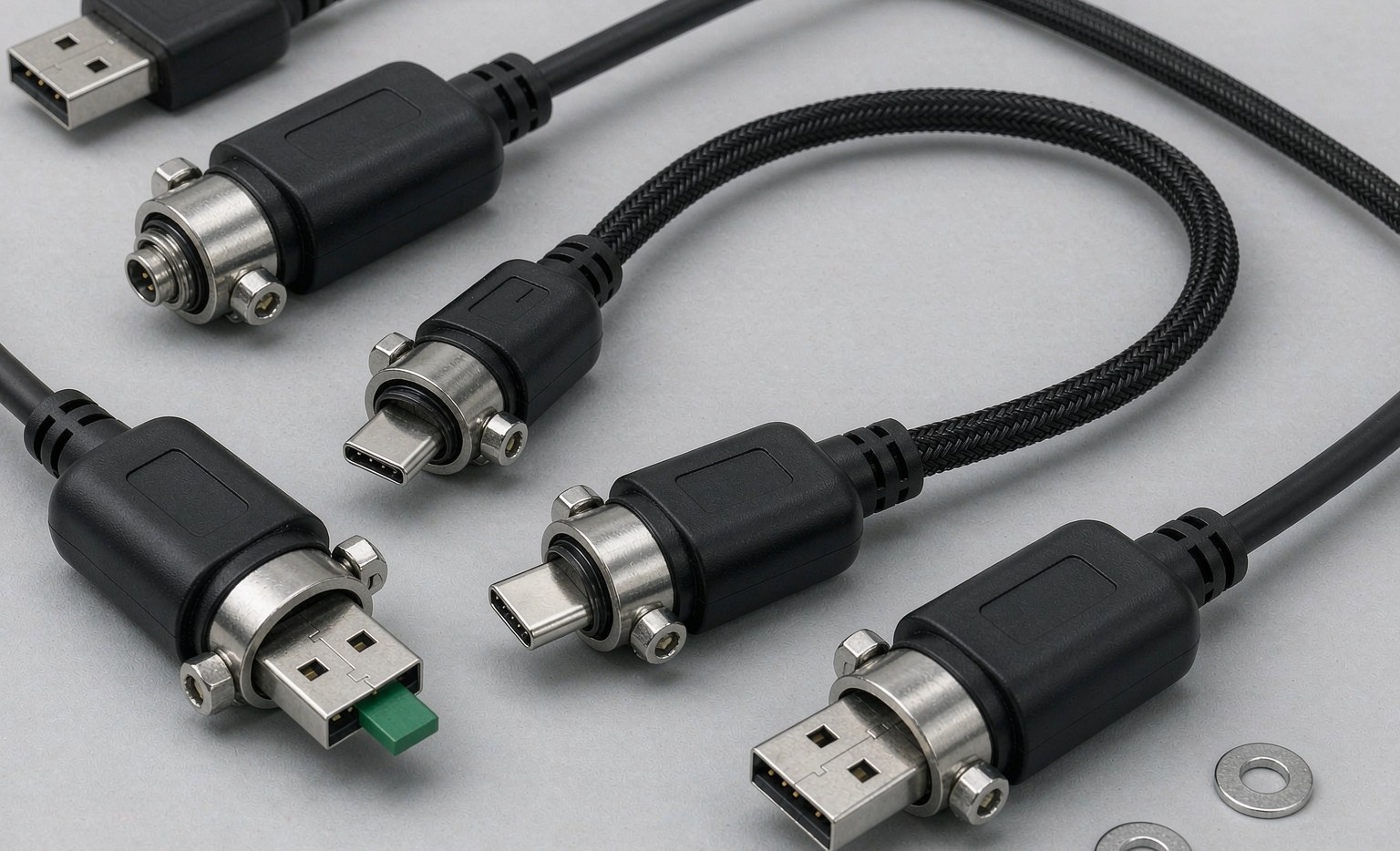
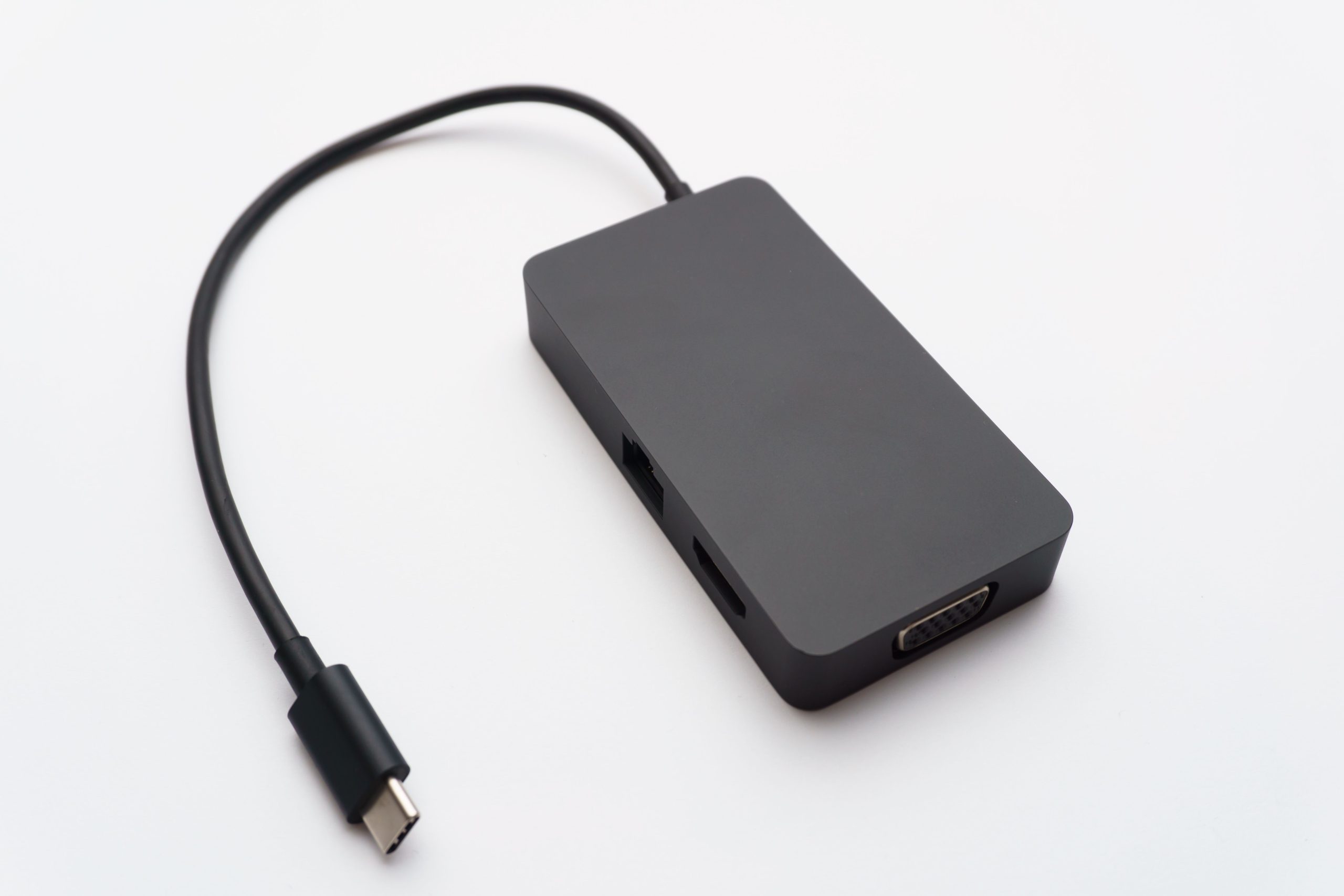
While MINI SAS was being perfected for the data center, a parallel evolution was happening in the consumer and prosumer space. The goal was a single, universal port for everything. U4 (USB4) is the culmination of this effort, a standard that blends incredible speed with unprecedented versatility, all delivered through the convenient Type C-Cable connector.
Key Characteristics:
- Universal Protocol Support: The defining feature of the U4 Cable is its use of protocol tunneling. It can dynamically carry USB data, DisplayPort video, and PCIe traffic simultaneously over a single 40 Gbps link, intelligently allocating bandwidth as needed.
- Extreme Bandwidth for Prosumers: With up to 40 Gbps of bandwidth, U4 is designed for the most demanding creative workflows. It can easily drive multiple 4K displays while simultaneously connecting to high-speed external storage and other peripherals.
- Thunderbolt Integration: U4 is built on the Thunderbolt 3 protocol, meaning it is fully compatible with the vast ecosystem of high-performance Thunderbolt devices. This ended years of market confusion and unified the two leading standards.
- Focus on User Experience: From the reversible Type-C connector to mandatory support for USB Power Delivery, every aspect of U4 is designed to create a simple, powerful, and consistent user experience.
The U4 Cable is the ultimate general-purpose high-speed interface, designed to be the single port that can handle any task a user throws at it.
Head-to-Head: A Core Technical Comparison
To understand the strategic choice between these standards, a direct comparison is essential:
- Primary Application: MINI SAS is a specialized storage interconnect for servers. U4 is a universal, multi-purpose interconnect for a vast range of devices.
- Physical Connector: MINI SAS and its variants use secure, latching, multi-lane connectors. U4 exclusively uses the consumer-friendly, reversible USB Type-C connector.
- Key Feature: For MINI SAS, it is reliability and multi-device scalability within a storage array. For U4, it is the dynamic tunneling of multiple protocols (data, video, PCIe) over a single link.
- Environment: MINI SAS is designed for the controlled but high-vibration environment of a data center. U4 is designed for the broad and varied environments of home, office, and mobile use.
Manufacturing a Mission-Critical Connection: The Longkai Standard
Despite their different applications, both MINI SAS and U4 share a critical requirement: they operate at extremely high frequencies where manufacturing precision is non-negotiable. A flaw in the cable’s shielding, a minute inconsistency in the twisting of the copper pairs, or a poorly terminated connector can lead to severe signal degradation and connection failure.
This is where the expertise of a veteran manufacturer becomes indispensable. Longkai Electronics, with its heritage of quality engineering since 2012, possesses the deep technical knowledge required to produce mission-critical cables for both of these demanding ecosystems.
- Engineering for Signal Integrity: Our R&D and production processes are optimized to maintain perfect signal integrity, whether for a 24 Gbps SlimSAS Cable or a 40 Gbps U4 Cable.
- Certified Quality: Our commitment to reliability is validated by our ISO9001, CE, and FCC certifications. This ensures every data cable we produce meets the highest global standards for performance and safety.
- Trusted by Industry Leaders: Our ability to deliver consistent quality at scale has earned us partnerships with over 100 world-renowned brands, who trust us to provide the critical connections at the heart of their products.
Conclusion: The Right Tool for the Right Job
The comparison between MINI SAS and U4 (USB4) perfectly illustrates a core principle of modern engineering: there is no single “best” solution, only the most appropriate one for a given application. MINI SAS and its successors remain the undisputed champions of enterprise storage, offering the specialized reliability and scalability that data centers demand. In parallel, U4 has achieved the long-sought goal of a truly universal, high-performance interface for the broader world of computing.
For system architects and engineers, the key is to recognize the distinct strengths of each standard and to deploy them in the environments for which they were designed. The common thread that binds them is the absolute necessity of high-quality manufacturing. By partnering with an expert producer, you ensure that whichever standard you choose, the physical connection will be a source of strength and reliability for your entire system.