Cable Customization for Aerospace and Defense Projects
Importance of Cable Customization in Aerospace and Defense
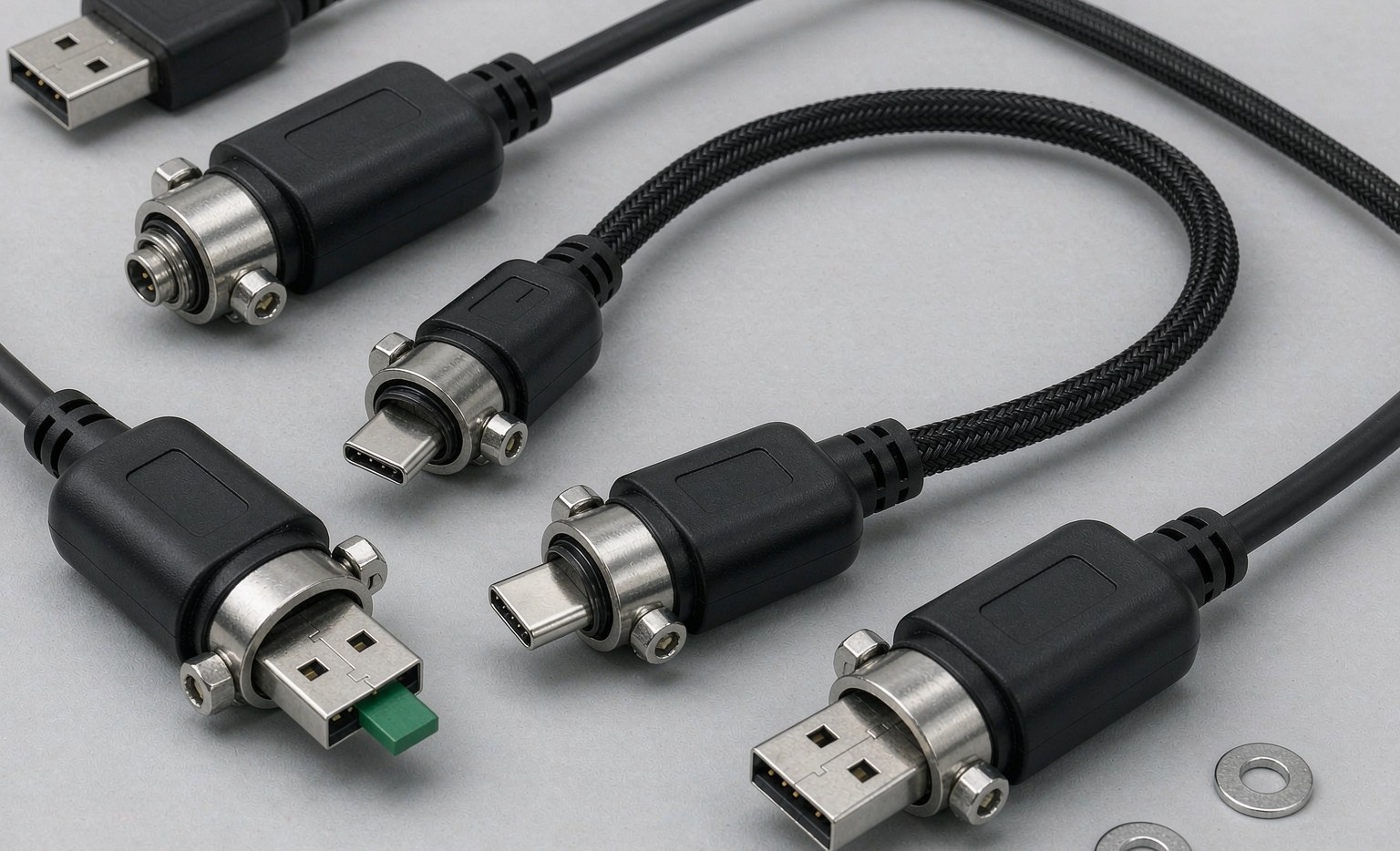
Aerospace and defense projects demand high-reliability and high-performance cables that can withstand harsh environments and extreme conditions. Customized cables are designed to meet specific requirements, ensuring optimal performance and minimizing the risk of failure.
- High-reliability and durability in extreme environments
- Customized designs to meet specific project requirements
- Enhanced performance and signal integrity
- Compliance with industry standards and certifications
- Reduced risk of failure and downtime
- Increased flexibility and configurability
- Ability to withstand extreme temperatures, vibrations, and radiation
- Improved resistance to chemicals and corrosion
- Ability to meet specific size and weight constraints
- Ability to integrate with other system components
A case study on the use of customized cables in a defense project highlights their importance. A defense contractor required Custom Connector Assembly for Aerospace Applications: Enhancing Performance and Reliability for a radar system operating in extreme temperatures and high-vibration environments. The customized cables were designed to meet specific requirements, including high-temperature resistance and vibration damping. The result was a significant improvement in system reliability and performance.
Another example is the use of customized cables in a satellite communication system. The cables were designed to withstand the harsh conditions of space, including extreme temperatures and radiation. The customized cables ensured reliable data transfer and signal integrity, even in the most challenging environments.
A third example is the use of customized cables in an aircraft navigation system. The cables were designed to meet specific requirements, including high-reliability and resistance to vibration and extreme temperatures. The customized cables resulted in improved system performance and reduced maintenance costs.
Additionally, customized cables have been used in various other aerospace and defense applications, such as:
- Military communication systems
- Aerospace electronic systems
- Radar and surveillance systems
- Missile guidance systems
- Space exploration systems
Key Considerations for Cable Customization
When customizing cables for aerospace and defense projects, several factors must be considered to ensure the final product meets required standards, including Cable Testing and Certification Processes for Quality Assurance.
- Environmental factors: temperature, vibration, exposure to chemicals, and radiation
- Performance requirements: signal integrity, data transfer rate, power handling, and frequency range
- Regulatory compliance: adherence to industry standards and certifications, such as MIL-STD-1553 and AS9100
- Material selection: choice of materials that meet required standards, such as high-temperature resistant materials and radiation-resistant materials
- Cable configuration: selection of the optimal cable configuration, including conductor size, insulation type, and shielding
- Connector selection: choice of connectors that meet required standards and provide reliable connections
- Testing and certification: verification of cable performance and compliance with industry standards
- Manufacturing process: selection of a manufacturing process that ensures consistency and quality
| Environmental Factor | Consideration |
|---|---|
| Temperature | High-temperature resistance, low-temperature flexibility |
| Vibration | Vibration damping, cable strain relief |
| Radiation | Radiation resistance, radiation shielding |
| Chemical Exposure | Chemical resistance, corrosion protection |
| Moisture | Moisture resistance, waterproofing |
The steps involved in determining the key considerations for cable customization include:
- Initial consultation with the customer to determine project requirements
- Review of industry standards and certifications relevant to the project
- Analysis of environmental factors and performance requirements
- Selection of materials and cable configuration
- Design and prototyping to ensure optimal performance
- Testing and certification to verify compliance with industry standards
- Validation of the manufacturing process to ensure consistency and quality
Design and Manufacturing Process
The design and manufacturing process for customized cables involves several stages, from initial consultation to final testing and certification, ensuring High-Speed Cable Assemblies for Aerospace Applications: Enhancing Performance and Reliability.
- Initial consultation to determine project requirements
- Design and prototyping to ensure optimal performance
- Testing and certification to verify compliance with industry standards
- Production: manufacturing of customized cables using techniques such as extrusion, braiding, and assembly
- Quality control: inspection and testing of finished cables to ensure compliance with specifications
- Documentation: provision of documentation, including test reports and certification documents
- Supply chain management: sourcing of high-quality materials and components
Some tools and techniques used in the design and manufacturing process include:
- Computer-aided design (CAD) software
- 3D printing for prototypes and test samples
- Automated testing equipment, such as signal integrity testers and environmental test chambers
- Simulation software, such as electromagnetic simulation software
- Specialized manufacturing equipment, such as extrusion machines and braiding machines
- Statistical process control (SPC) to ensure consistency and quality
Benefits of Customized Cables
Customized cables offer several benefits, including enhanced performance, reliability, and reduced risk of failure.
- Improved signal integrity and data transfer rates
- Enhanced durability and resistance to environmental factors
- Reduced risk of failure and downtime
- Increased flexibility and configurability
- Compliance with industry standards and certifications
- Improved system performance and reliability
- Reduced maintenance costs and downtime
- Ability to meet specific size and weight constraints
- Ability to integrate with other system components
| Benefit | Description |
|---|---|
| Improved Signal Integrity | Accurate data transfer and minimized signal degradation |
| Enhanced Durability | Resistance to environmental factors, such as temperature, vibration, and radiation |
| Reduced Risk of Failure | Minimized risk of cable failure, resulting in reduced downtime and maintenance costs |
| Increased Flexibility | Ability to customize cables to meet specific project requirements |

Frequently Asked Questions (FAQs)
Q: What are the key considerations for cable customization?
A: Environmental factors, performance requirements, regulatory compliance, and material selection.
Q: What is the typical lead time for customized cables?
A: The lead time for customized cables varies depending on the complexity of the design and the production volume. Typically, lead times range from several weeks to several months.
Q: Can customized cables be designed to meet specific industry standards?
A: Yes, customized cables can be designed to meet specific industry standards, such as MIL-STD-1553 and AS9100.
Q: What is the process for testing and certifying customized cables?
A: The testing and certification process for customized cables typically involves a series of tests, including signal integrity testing, environmental testing, and certification to industry standards.
Q: How do I ensure the quality of customized cables?
A: To ensure the quality of customized cables, it is essential to work with a reputable manufacturer that has experience in producing high-quality cables. The manufacturer should have a robust quality control process in place, including inspection and testing of finished cables.
Q: Can customized cables be designed for high-reliability applications?
A: Yes, customized cables can be designed for high-reliability applications, such as aerospace and defense projects. The cables can be designed to meet specific requirements, including high-reliability and resistance to environmental factors.
Q: What is the difference between a standard cable and a customized cable?
A: A standard cable is a pre-designed and pre-manufactured cable that may not meet the specific requirements of a particular project. A customized cable, on the other hand, is designed and manufactured to meet the specific requirements of a project, including environmental factors, performance requirements, and regulatory compliance.
Q: How do I determine the required specifications for a customized cable?
A: To determine the required specifications for a customized cable, it is essential to consider the environmental factors, performance requirements, and regulatory compliance requirements of the project. This can involve consulting with the manufacturer, reviewing industry standards and certifications, and analyzing the project’s specific requirements.